
New Report in Rojin Kabaiş Case: Google Account Accessed, Device Wiped While She Was Missing
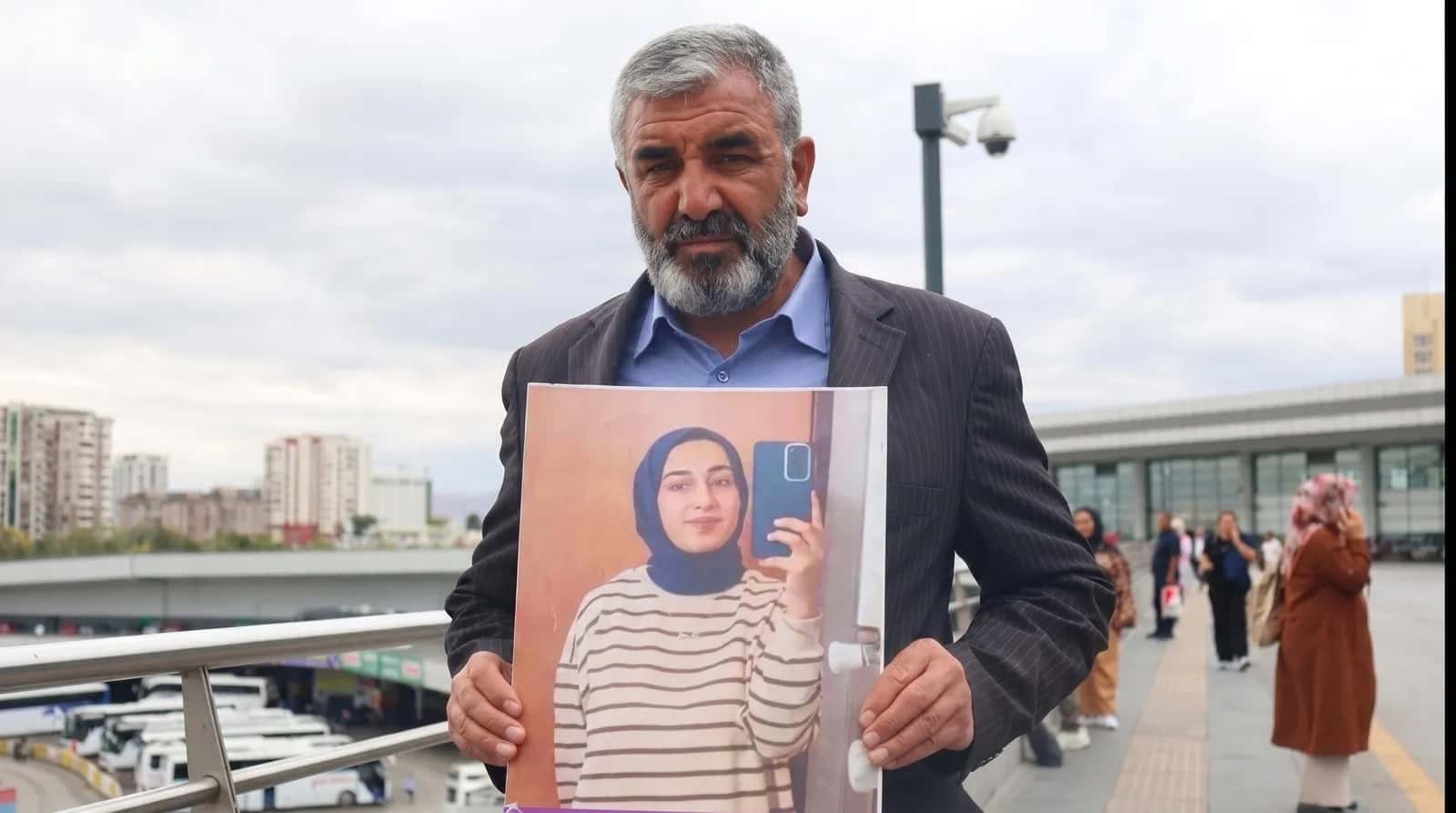
RastinewsAn expert report submitted to the investigation into Rojin Kabaiş's death found that the Google account linked to her phone was accessed four days after she disappeared, and that a "device wipe" was carried out on October 10.
Investigators are also awaiting a Forensic Medicine report on when two drugs found in Kabaiş's body were taken and on whether she drowned.
Kabaiş, a university student, went missing in Van on September 27, 2024, and her body was found 18 days later. A new expert report has now been added to the case file addressing her long-inaccessible phone and the accounts linked to it.
According to the report, an IP address was used on October 1, 2024 — four days after she disappeared — to send an SMS to the phone and access the Google account registered on the device.
Another record in the report shows that on October 10, 2024, while Kabaiş was still missing, a "device wipe" was carried out on the Google account. The IP address used was traced to Van. Records from the same date also show a login and authentication carried out from a separate IP address appearing to originate in Czechia, after which the system logged "Successful — device wipe."
The report notes that the Czechia-linked IP address may have been masked using a VPN, and that these actions took place while the phone was in the custody of the Van Gendarmerie Forensic Laboratory.
Phone also could not be unlocked in Spain or China
Kabaiş's phone, one of the investigation's key pieces of evidence, was sent to Spain in February for data extraction, but examiners could not unlock the device. It was then sent to China on April 30 for further technical analysis, where a report likewise stated that the data could not be accessed.
The Chinese examiners also warned that certain interventions on the phone risked wiping its software and data entirely.
New Forensic Medicine report awaited
On another front, new Forensic Medicine examinations into Kabaiş's cause of death are ongoing.
According to Habertürk's Mustafa Şekeroğlu, the new report is expected to clarify when two different drugs found during the autopsy and forensic examination were taken. Rocuronium was found in Kabaiş's stomach and internal organs, while Ornidazole was found in her stomach contents.
The family's lawyer, Abdurrahman Karabulut, has said Rocuronium is a powerful muscle relaxant that affects the respiratory muscles, and argued it could not have remained in her system from the surgery she had undergone weeks earlier. He has suggested Kabaiş may have been sedated and her breathing paralyzed.
The new report is also expected to include the results of a diatom test requested by the family. A diatom test can help determine whether a person drowned.
Kabaiş's father, Nizamettin Kabaiş, has said that if no results can be obtained from the samples currently held by the Forensic Medicine Institute, an exhumation (fekk-i kabir) could be requested.
Source: T24