
Mazlum Abdi urges Rojava families to keep children in Kurdish-language schools
Syrian presidential adviser Mazlum Abdi addressed students and families as protests continue against Damascus's decision to reduce Kurdish to an elective subject. Abdi asked ninth-grade and baccalaureate students not to abandon the Autonomous Administration's Kurdish curriculum this year.
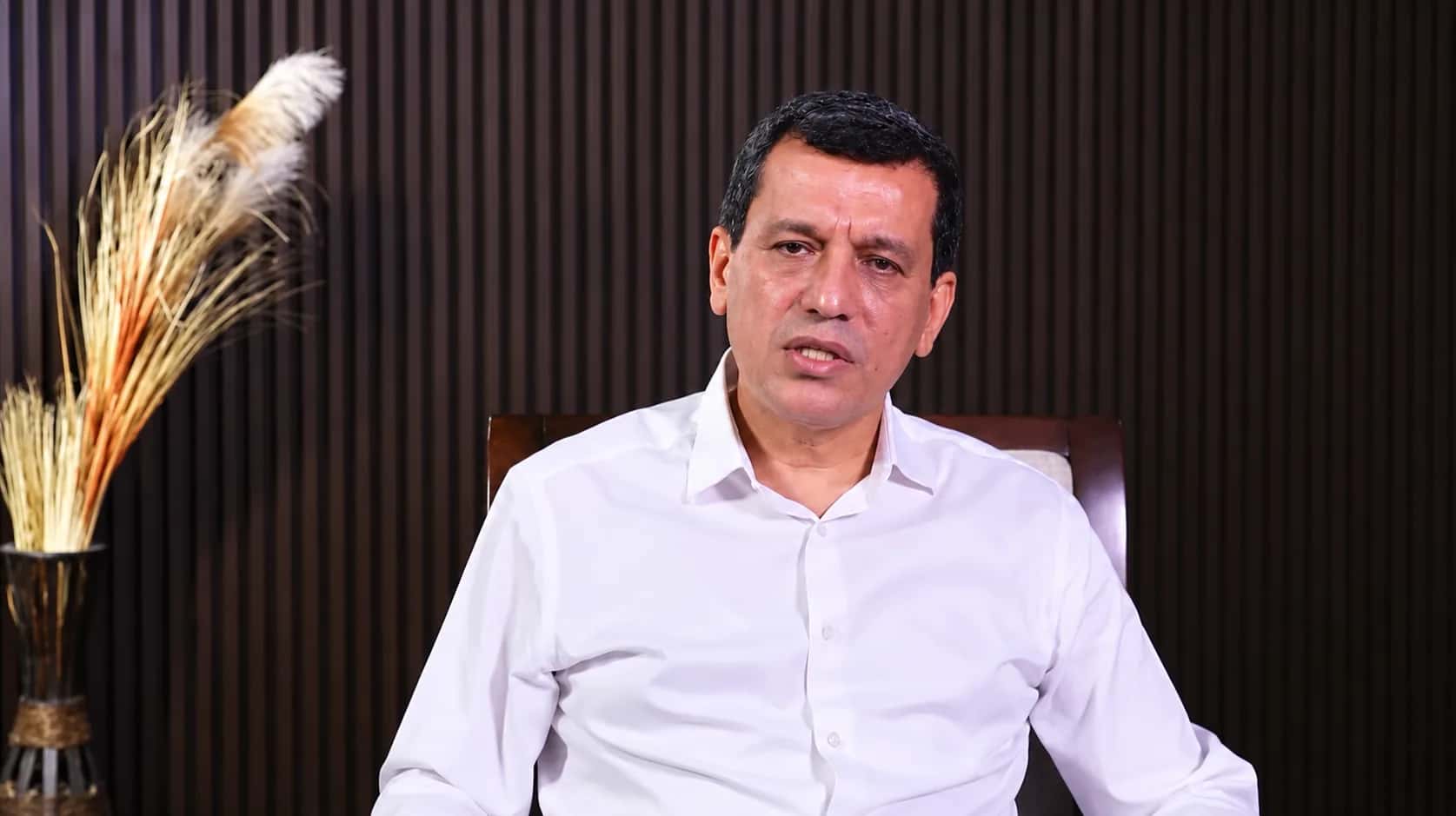
RastinewsMazlum Abdi, adviser to the Syrian presidency and former SDF commander-in-chief, sent a video message to Kurdish students and families in Rojava marking the start of the new school year. Abdi said education in one's mother tongue is "a basic and natural right" for Kurds.
"The Kurdish language is our identity," Abdi said in the message. He said preserving and developing the Kurdish language has always been one of the central goals of the struggle being waged.
"A historic step in Rojava's history"
Abdi noted that a system for Kurdish-language education had been built over the past 14 years despite wartime conditions. "Even with its shortcomings and weaknesses, this was something new and a historic step in Rojava's history," he said.
Abdi paid tribute to the families who kept sending their children to Kurdish schools despite the war and the obstacles, and to the teachers who worked to make it possible.
Support for the protests
Abdi said efforts were continuing to make Kurdish an official part of Syria's education system, and that the Education Ministry had issued a decision following those talks.
"Our people and our students did not find this decision sufficient, so they held demonstrations, made their position clear and carried on the struggle. We see this as a right belonging to our students, and we stand by them in this process," Abdi said.
"The children will not be the ones who suffer"
Abdi said the new school year falls during a transition period, and that the necessary measures had been taken to ensure students in Kurdish schools do not suffer as a result. According to Abdi, students will keep receiving Kurdish-language instruction while also learning Arabic.
Abdi called on families to enroll their children in schools where Kurdish remains the primary language of instruction, saying that if this transition year goes well, "a higher level of rights" for the Kurdish language could be secured next year.
Ninth grade and baccalaureate to follow the Autonomous Administration system
Abdi said ninth-grade and baccalaureate (high school completion) education would follow the Autonomous Administration's system this year. He asked students in these two grades to continue their education under the previous Kurdish-language system to secure their futures.
Talks continue on Rojava and Kobani universities
Abdi said talks were continuing on granting official status to Rojava University and Kobani University, though no final decision had been reached. He said he hoped the outcome would favor students.
Abdi asked students who complete their Kurdish-language education to apply through the Higher Education Ministry's system if they wish to attend these universities.
Damascus had limited Kurdish to three hours a week
Syria's Education Ministry announced in an instruction issued on August 27 that starting in the 2026-2027 school year, Kurdish would be taught as an elective subject for three hours a week in areas with a dense Kurdish population.
The decision came two days after the announcement that the SDF had been dissolved and its forces incorporated into the Syrian army. Teachers, students and parents in Qamishli, Amuda, Tell Tamer and Zirgan held protests demanding the decision be withdrawn and that Kurdish be recognized as an official language.
Since 2014, Kurdish students in Autonomous Administration schools have studied subjects such as math, science, history and geography in their mother tongue. Abdi had previously said reducing Kurdish to an elective subject was not sufficient.
Abdi's message was released via ANHA.