
Turkey probes 'suspicious' death of former Süleymancı leader Denizolgun
Investigators probing the suspicious death of Arif Ahmet Denizolgun, former leader of the Süleymancı movement, have recovered 2016 autopsy footage that was previously reported missing.
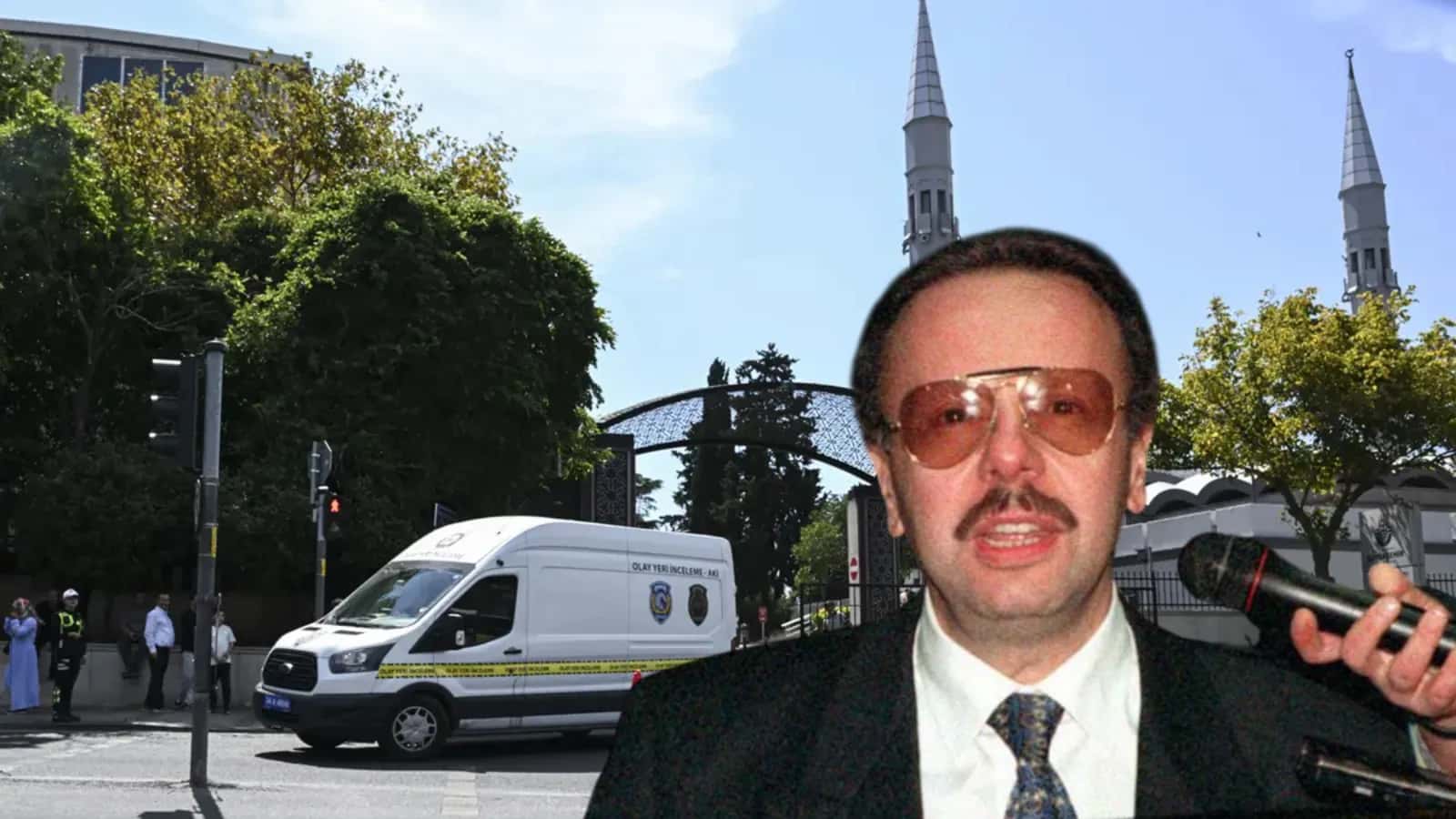
RastinewsInvestigators probing the suspicious death of Arif Ahmet Denizolgun, former leader of the Süleymancı movement, have recovered video footage from his 2016 autopsy that had previously been reported missing. The footage has been handed over to prosecutors. Samples taken after Denizolgun's grave was exhumed are now being tested for signs of poisoning or asphyxiation.
According to the newspaper Sabah, the Bakırköy Chief Public Prosecutor's Office Organized Crimes Investigation Bureau had requested camera footage from Denizolgun's autopsy from the Council of Forensic Medicine on February 24 and June 1, 2026, as part of the investigation into his death. The Council's Istanbul Morgue Specialization Department initially said no such footage existed. But on August 19, the day Denizolgun's grave was opened, prosecutors received a new letter from the Council stating that video footage from the autopsy did in fact exist. The footage was transferred to USB drives and CDs and sent to the prosecutor's office, officials said.
According to a report by T24, Denizolgun's grave was opened at his family's request under Turkey's exhumation procedure, and samples taken from his remains were sent to the Council of Forensic Medicine for examination.
The original 2016 autopsy report found heavy metals — including barium, arsenic, cadmium, nickel and mercury — in the body's decomposition fluid. The new examination will investigate possible poisoning.
The initial crime scene report also noted bruising and crushing on the lower left side of Denizolgun's neck. The Forensic Medicine Institute's First Specialization Board is expected to examine whether he was strangled or suffocated by having his mouth and nose covered.
'Detectable even after 10 years'
Forensic medicine expert Prof. Dr. Nevzat Alkan, discussing the exhumation procedure, said that despite the roughly 10 years that have passed, signs of possible poisoning could still be detected.
"After 10 years, we'd normally expect to find only bone tissue," Alkan said. "But if nails, hair, remnants of the shroud, or even soft tissue turn up alongside the bone, the analysis can be far more reliable."
Alkan pointed to the exhumation of Turgut Özal's grave 18 years after his death as a precedent, noting that poisoning allegations raised in that case were successfully analyzed.