
Alevi Institutions Ask Who Will Represent Them at the Table, Call for Unity Assembly in Hacıbektaş
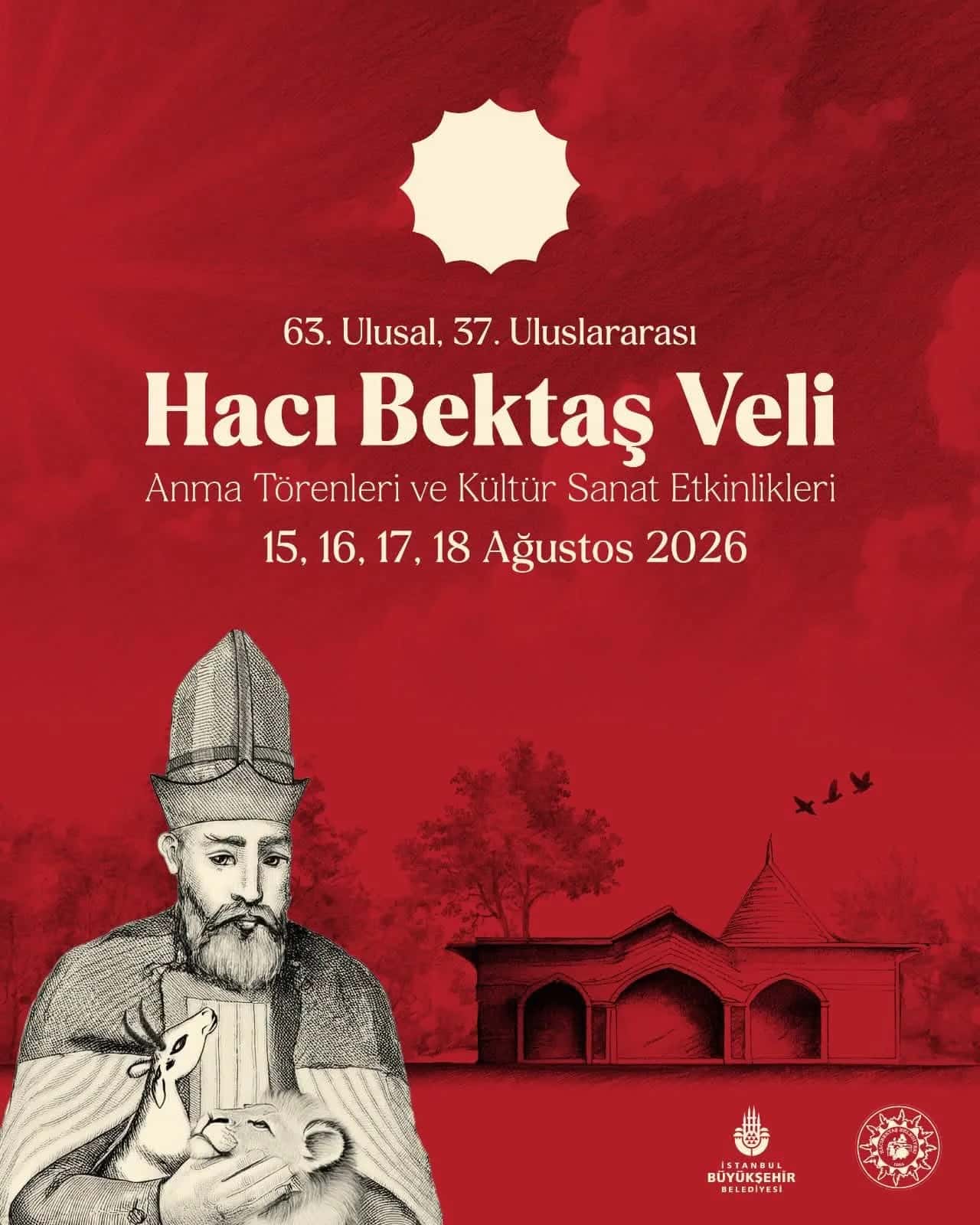
RastinewsAs debate continues in Turkey over a new constitution and the peace process, leading Alevi institutions in Turkey and Europe have issued a joint call. The question of who will represent Alevis, and with what demands, in any negotiations with the state and political actors has now been thrown open. The institutions will meet in Hacıbektaş on August 15 to form a "Council of Representatives" independent of any state institution, political party or outside body.
Long-running debate over the representation of Turkey's Alevi community has entered a new phase alongside the country's fresh political process.
The Alevi Bektashi Federation (ABF), the Alevi Culture Associations (AKD), the Confederation of Alevi Unions in Europe (AABK), the European Federation of Arab Alevis (AAAF), the Democratic Alevi Associations (DAD), the Hacı Bektaş Veli Anatolian Culture Foundation (HBAKV), the Pir Sultan Abdal Culture Association (PSAKD) and the Alevi Federation of Turkey (ADFE) issued a joint call to form a "Unity Assembly."
The declaration, titled "For a Stronger Future: A Call for a Common Will and a Unity Assembly," foregrounds one question above all: who will represent Alevis in any talks with the state and political actors.
"With what demands, and represented by whom, will Alevis be at the table?"
One of the most striking passages in the call points to Turkey's ongoing debate over a new constitution and the peace process, and asks:
"In any negotiation with the state or political actors, with what demands, on what common ground, and represented by whom can Alevis take a seat at the table?"
The Alevi institutions said these questions must be answered through a structure that reflects the community's collective will, and questioned whether existing forms of representation are adequate.
The declaration also sharply criticized attempts to define Alevism "from within and from outside," arguing that efforts to force Alevi belief, its erkân (ritual practices) and sürek (spiritual lineages) into a single mold have become increasingly common.
"Free will," not state-determined representation
The call stressed that the planned Council of Representatives must remain free of influence from any state institution or political center.
The Alevi institutions described their goal as building a shared representative mechanism — one that preserves each group's own legal identity and historical traditions — "without falling under the influence of any state institution, political party, private structure or outside interference."
The message: Alevi representation in any future contact with the state should not be decided from above, but should rest on a common will built by the community's own institutions and constituent groups.
New constitution, peace process in focus
The timing of the call is itself notable.
The declaration noted that Turkey is passing through major political developments — a new constitution, a peace process and the possibility of regional war — in what it called "the second century of the Republic," and it questioned where Alevis stand in these processes.
The Alevi institutions said what they see as erosion in electoral democracy, constitutional order, fundamental rights and freedoms, secularism and pluralism has deepened anxiety among Alevis.
For that reason, the planned assembly is framed not only as a coordinating body among Alevi institutions, but as a platform for defining shared demands toward the state and political parties.
"Unity through difference, not uniformity"
The institutions also stressed that the planned structure is not meant to create a new central authority within Alevism.
The Council of Representatives will not merge the ocaks (Alevi lineage lodges), dergâhs (dervish lodges), cemevis (houses of worship), associations, foundations and federations into a single structure, the call said; each institution will keep its own legal status and traditions.
Invoking the saying "One path, a thousand and one rites" ("Yol bir, sürek bin bir"), the call said different languages, rites, lineages and interpretations of Alevism must be represented within the same structure.
"What's needed today is not division but meeting on common consent; not competition but solidarity; not scattered voices but a shared word that preserves plurality," the institutions said.
First stop: Hacıbektaş
How the Council of Representatives will be formed, which institutions and groups will make it up, and its principles of representation will be discussed at the "Alevi Unity Square" meeting at 3 p.m. on Saturday, August 15, in the conference hall of Hacıbektaş Municipality.
Faith leaders, ocak representatives, academics, intellectuals, artists, women and young people have also been invited, alongside the Alevi institutions.
At the heart of the call is a demand that Alevis build, for themselves, the will to speak in Turkey's new political era:
"Come, dear ones, let us become one; let us walk the path together, and build unity along the way."