
US Redeploys Aerostat Surveillance System Over Erbil
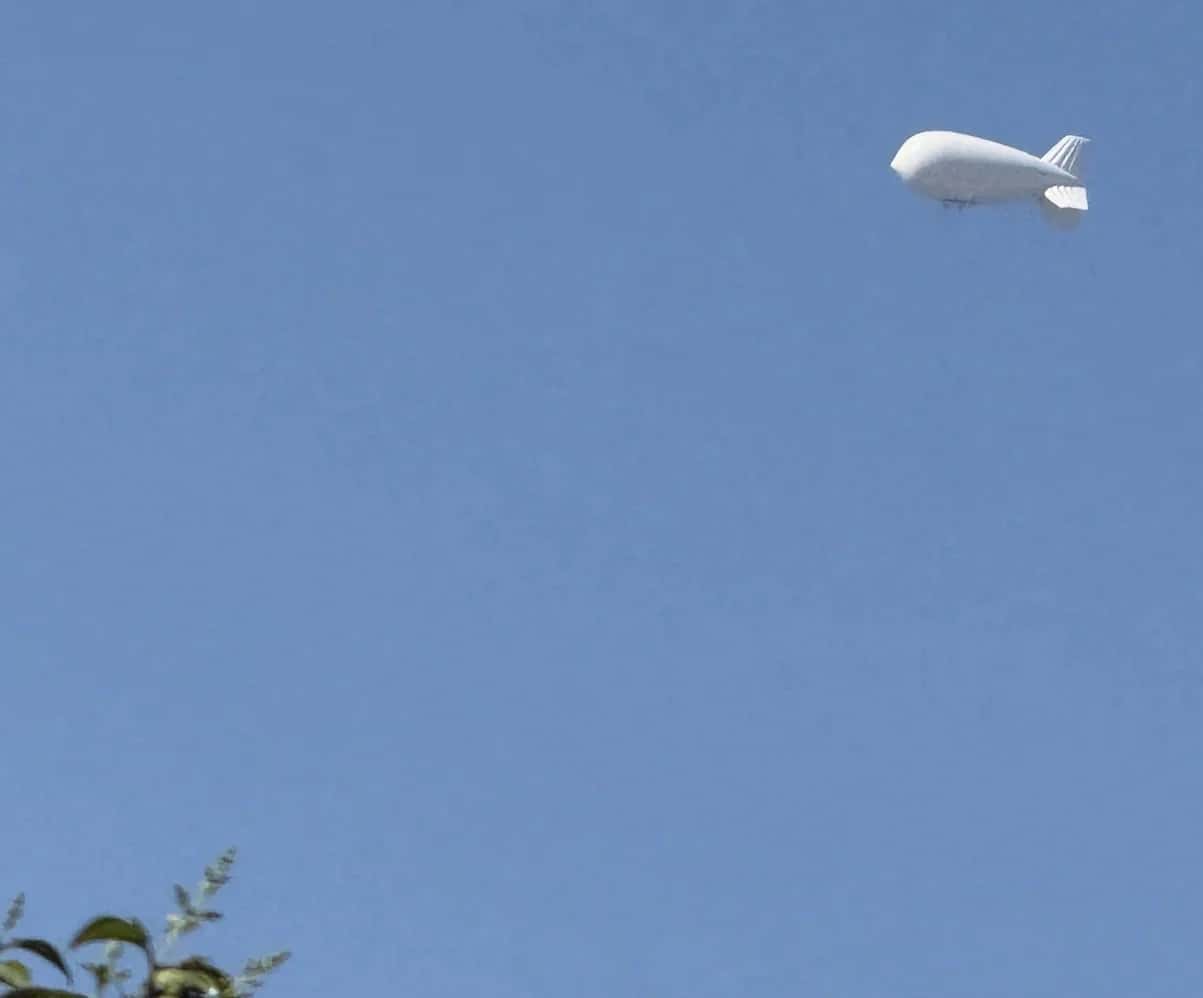
RastinewsERBIL — The United States has redeployed the Aerostat surveillance system, known as PSS-T, to monitor security in Erbil's airspace. The system provides 360-degree surveillance out to roughly 50 kilometers and is used to detect aircraft and short-range munitions.
A security source told Rudaw the surveillance balloon went back up at 3:30 p.m. local time yesterday. It remains unclear how long it will stay aloft.
Watching Erbil's Airspace
The Aerostat, which supports the radar and early-warning capacity of the Patriot air defense system, was first deployed in Erbil in early May.
The balloon was grounded in early August during a 72-hour reshuffle of air defenses, when the US moved eight Patriot batteries to Jordan and Britain moved its Rapid Sentry system to Cyprus.
No official explanation was given at the time for why the system was taken offline.
The newly relaunched Aerostat is intended to monitor Erbil International Airport and the surrounding airspace and to provide early warning of potential threats.
A 50-Kilometer Surveillance Range
The PSS-T can conduct 360-degree surveillance out to roughly 50 kilometers. Equipped with day-and-night cameras, it can detect aircraft as well as short-range munitions.
Able to remain aloft at high altitude for extended periods, the balloon allows for continuous surveillance of areas containing military bases, troops and convoys.
Similar systems have previously been used at several sites housing US forces in Iraq, including Ain al-Asad Air Base and the K-1 base in Kirkuk.
1 Million Hours of Surveillance in the Kurdistan Region
NASC, the company responsible for operating the system, has carried out engineering, installation, testing and deployment work on PSS-T systems for the US Department of Defense and other agencies since 2010.
The company has overseen the deployment of 60 PSS-T systems outside the United States and trained more than 1,800 personnel, according to available information.
The system has carried out more than one million hours of intelligence, surveillance and reconnaissance (ISR) activity in the Kurdistan Region to date. Those operations are reported to have identified more than 5,000 significant security incidents and movements.
The Aerostat's return to the skies over Erbil comes as air security and the threat from drones once again move to the top of the agenda in the Kurdistan Region.