
Baghdad responds to Kurdish leaders
Baghdad has issued a fresh statement after sharp criticism from Erbil over Iraqi Prime Minister Ali Falih Zeydi's decisions on the Kurdistan Region's border crossings and oil fields. Zeydi's press office said the decisions are "a purely national matter" and that the government draws its legitimacy from no foreign country.
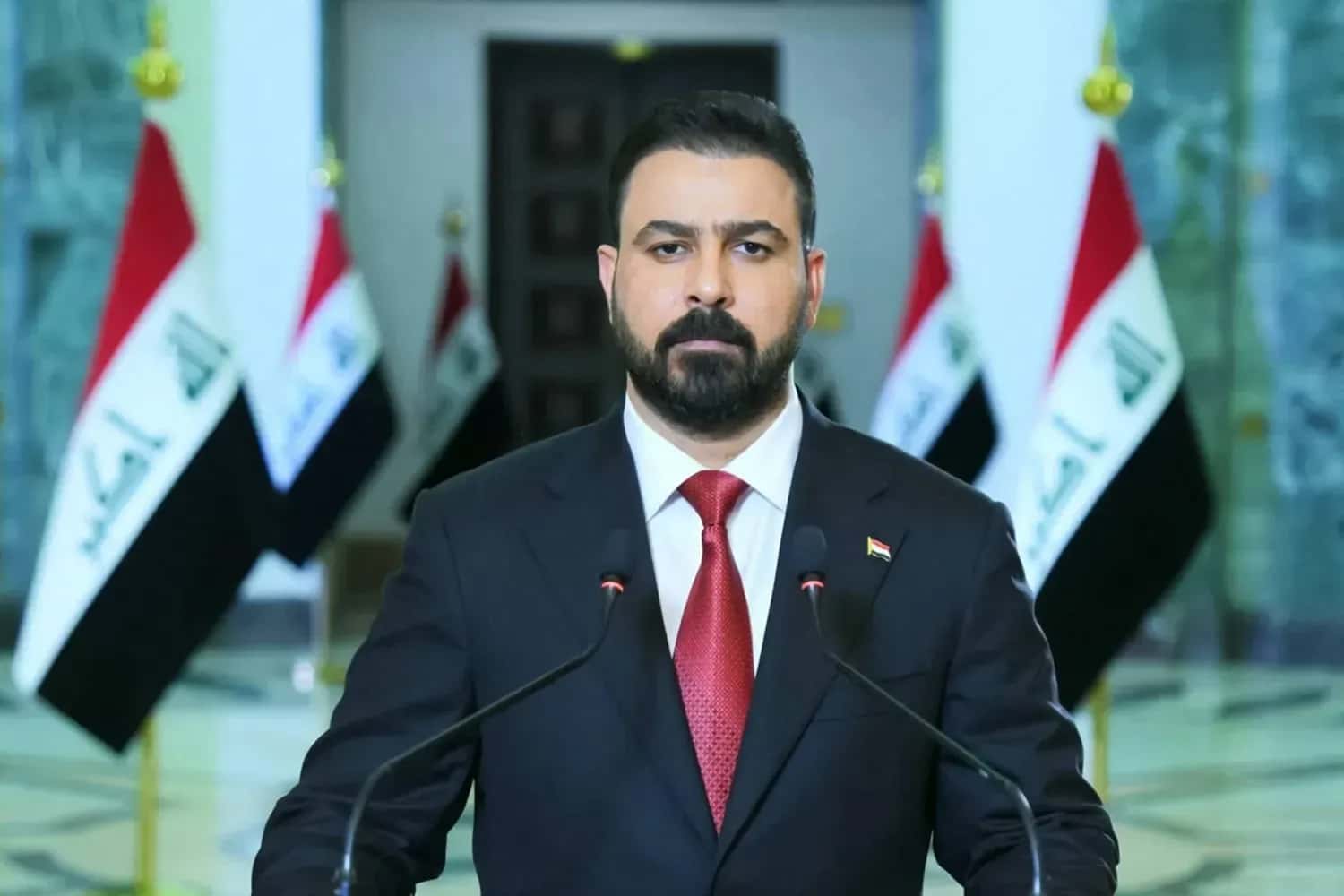
RastinewsIraqi Prime Minister Ali Falih Zeydi is not backing down from his decisions on the Kurdistan Region. In a statement issued this morning, Zeydi's press office said Iraq's decisions are a purely national matter and that the government is not acting on the encouragement or direction of any outside party.
The statement came a day after nearly the entire political spectrum in the Kurdistan Region took a united stand against Baghdad. From KDP leader Masoud Barzani to Kurdistan Region President Nechirvan Barzani, and from Prime Minister Masrour Barzani to PUK leader Bafel Talabani, Kurdish leaders all described the decisions as unconstitutional.
"The decision is Iraq's"
The press office said Iraq is "a fully sovereign, democratic, federal state" that draws its powers from the constitution and the will of its people. The measures the government has taken within Iraq's internationally recognized borders, it said, stem from its independent will.
The statement added that the government needs no encouragement from anyone to carry out its constitutional responsibilities, and closed with these words: "Our decision belongs to Iraq, our will is national, our reference is the constitution and the law. Iraq's higher interests are the yardstick that shapes our positions and our measures."
Baghdad's emphasis on "outside parties" is no accident. Since the decisions were announced, debate in the region has centered on who backed Zeydi's move. Analysts are divided over whether Baghdad acted with the blessing of Iran, which wants the Kurdistan Regional Government to rein in Kurdish opposition groups, or with the blessing of the United States, which has been lobbying regional states to centralize federal power.
What did Baghdad decide?
Zeydi had ordered yesterday that oil fields in Kirkuk, Nineveh, Saladin and Diyala currently secured by Kurdish forces be handed over to federal administration, and instructed the federal Border Crossings Authority to take over the Kurdistan Region's border crossings. He also barred the Kurdistan Regional Government from exporting oil without approval from the federal Oil Ministry.
The decisions were announced by Sabah Numan, spokesman for Iraq's Joint Operations Command, and it was that military language that drew the brunt of Kurdish leaders' anger. Al-Hurra reported today that Baghdad may go a step further still: according to the report, Zeydi is considering sending army units to locations in the Kurdistan Region allegedly used for oil smuggling.
A united front from Kurdistan
KDP leader Masoud Barzani said Iraq's decision-making circles were showing an unnatural level of activity against the Kurdistan Region. "The Kurdistan Region will not bow to unconstitutional decisions or to the will of any individual or party being imposed on it," he said.
Kurdistan Region President Nechirvan Barzani said the statement from the Joint Operations Command spokesman had been met with shock and deep concern. "We reject, in every respect, being addressed in military language," he said.
Prime Minister Masrour Barzani called Baghdad's decisions to centralize oil and border crossings surprising and unacceptable in any form. Barzani added that the Kurdistan Region was ready to set aside internal disputes to defend its status.
The rival PUK took the same position. Bafel Talabani said Kurds were determined to defend their dignity, their land and their constitutional status if necessary. The KDP and PUK had issued a joint statement the day before declaring that any violation of Kurdish rights and gains was a red line. The Gorran Movement, for its part, called on Kurdish parties to forge a common national strategy.
The Coordination Framework backs Zeydi
In Baghdad, the picture looks different. The Coordination Framework, the alliance of Shiite parties in power in Iraq, backed the decisions as a step to protect public funds.
Kurdistan Region Interior Minister Reber Ahmed said yesterday that the joint protocol on border crossings had been sitting before the Iraqi Council of Ministers for months. According to Ahmed, it is not the Kurdistan Region that has been blocking implementation of the agreements.
Background to the decisions
Zeydi issued the decisions following a smuggling investigation centered on the Kirkuk-based North Oil Company. According to Reuters, the move is part of a campaign Zeydi has launched against Kataib Hezbollah, Iran's most powerful proxy force in Iraq, and a smuggling network alleged to have earned hundreds of millions of dollars from oil stolen over the years.
The dispute between Erbil and Baghdad over border crossings and customs is not new either. The two sides agreed in August to split customs revenue 50-50. Baghdad later demanded the full amount, a demand the Kurdistan Regional Government rejected.