
89 years on, bid to quash Seyit Rıza conviction
A petition has been filed with the Justice Ministry seeking to overturn the court rulings against Seyit Rıza and six other Dersim leaders executed in 1937. Lawyer Cihan Söylemez says the verdicts violated the Constitution in force at the time and that the men were hanged without the right to appeal.
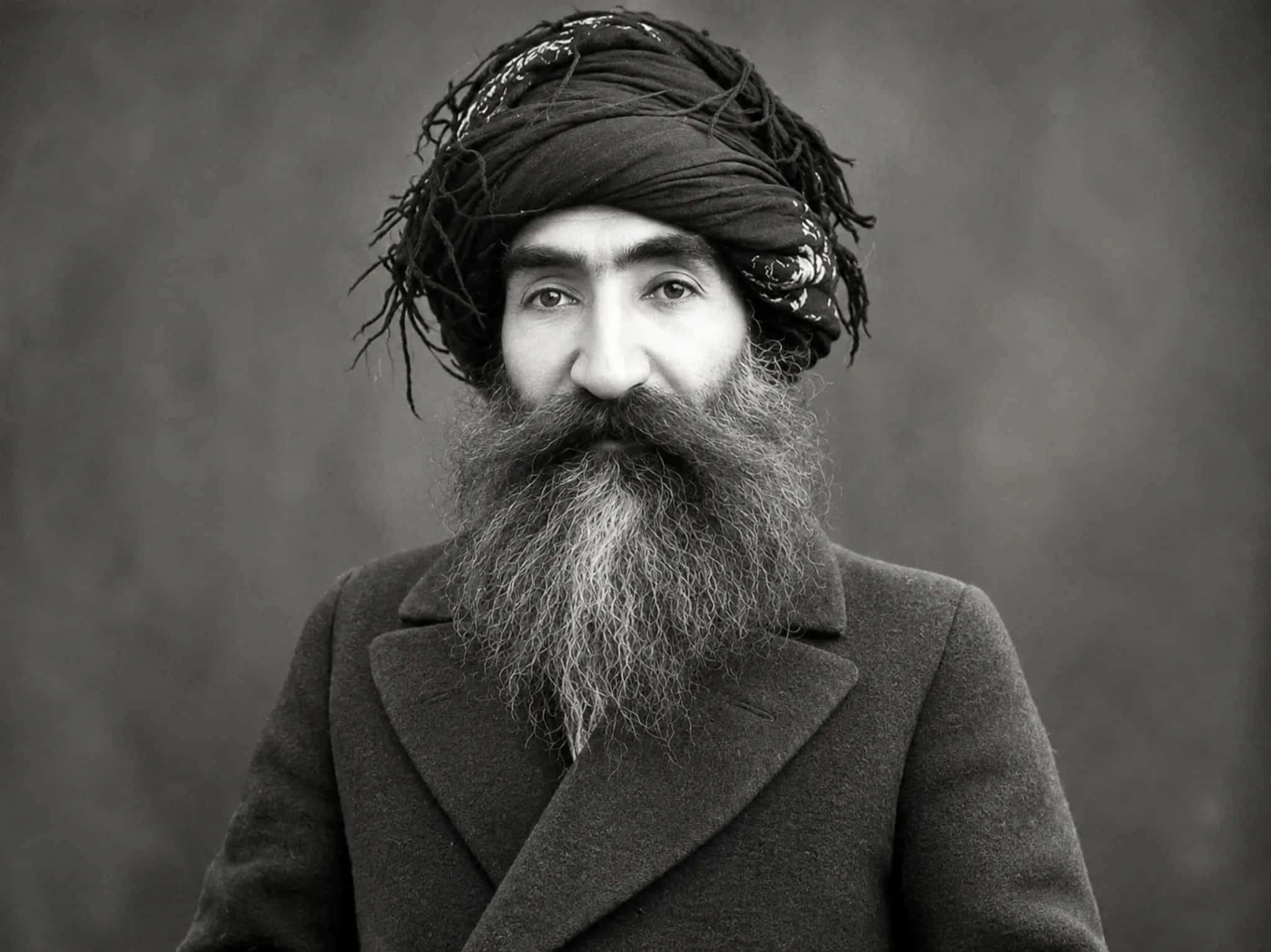
RastinewsLawyer Cihan Söylemez has moved to have the convictions against Seyit Rıza and the six Dersim leaders tried alongside him "quashed in the interest of the law." Söylemez's petition reached the Justice Ministry's Directorate General for Criminal Affairs on November 11, routed through the Tunceli Chief Public Prosecutor's Office.
Söylemez explained the application in a video statement. He said it targets the court rulings issued in 1937 under the Tunceli Law. The death sentences, he said, violated the 1924 Constitution as well as the criminal code and criminal procedure law of the time.
Verdicts carried out the same night
The Seyit Rıza trial opened in Elazığ on October 12, 1937. According to Söylemez, the court announced its verdict on November 14, and the executions were carried out that same night, in the early hours of November 15.
Söylemez said the law of the period provided a right of appeal, but the defendants were never allowed to exercise it. He added that the petition covers not only the death sentences but also the other convictions in the same case file.
Remains still not returned to families
Söylemez argues the Tunceli Law itself conflicted with the Constitution under which it was enacted. He said the rights violations did not end with the trial and executions. The petition also cites the families' continued inability to retrieve the remains, calling it a violation of their right to mourn and their freedom of belief.
The petition cites as precedent two rulings the European Court of Human Rights (ECtHR) issued against Turkey, in 2001 and 2009. Söylemez said those rulings establish that statutes of limitations cannot be invoked in cases of ongoing, serious rights violations.
Decision now rests with the ministry and top court
Only the Justice Ministry can initiate this type of extraordinary appeal. If the ministry accepts the request and refers it to the Chief Public Prosecutor's Office of the Court of Cassation, the way could open for the rulings against Seyit Rıza and his co-defendants to be overturned.
According to Rûdaw, Söylemez said that if the verdict is quashed, the charges brought against Seyit Rıza and those tried with him would also fall away. He called the petition a first step toward a judicial reckoning with the events of 1937 and said he would continue to pursue the case.
Seyit Rıza was summoned to Erzincan for talks while a military operation against Dersim was underway, and was arrested en route on September 5, 1937. He was hanged on November 15, 1937, at Buğday Meydanı in Elazığ, along with his son Resik Hüseyin and other Dersim leaders.
Families have spent years in court trying to learn where the victims are buried. Those cases have been rejected in the administrative courts and by the Constitutional Court, and Söylemez has since taken the matter to the ECtHR.