
PKK's presence in Iraq becomes bargaining chip in Baghdad's disarmament plan
Iraqi Prime Minister Ali Falih Zeydi says Baghdad aims to disband independent militia structures by June 30, 2027. Iran-backed groups are conditioning a deal on the withdrawal of Turkish troops, while Ankara ties withdrawal to dismantling PKK camps and weapons in Iraq. In Sinjar, the YBŞ's handover of weapons and integration into official security institutions is already on the table.
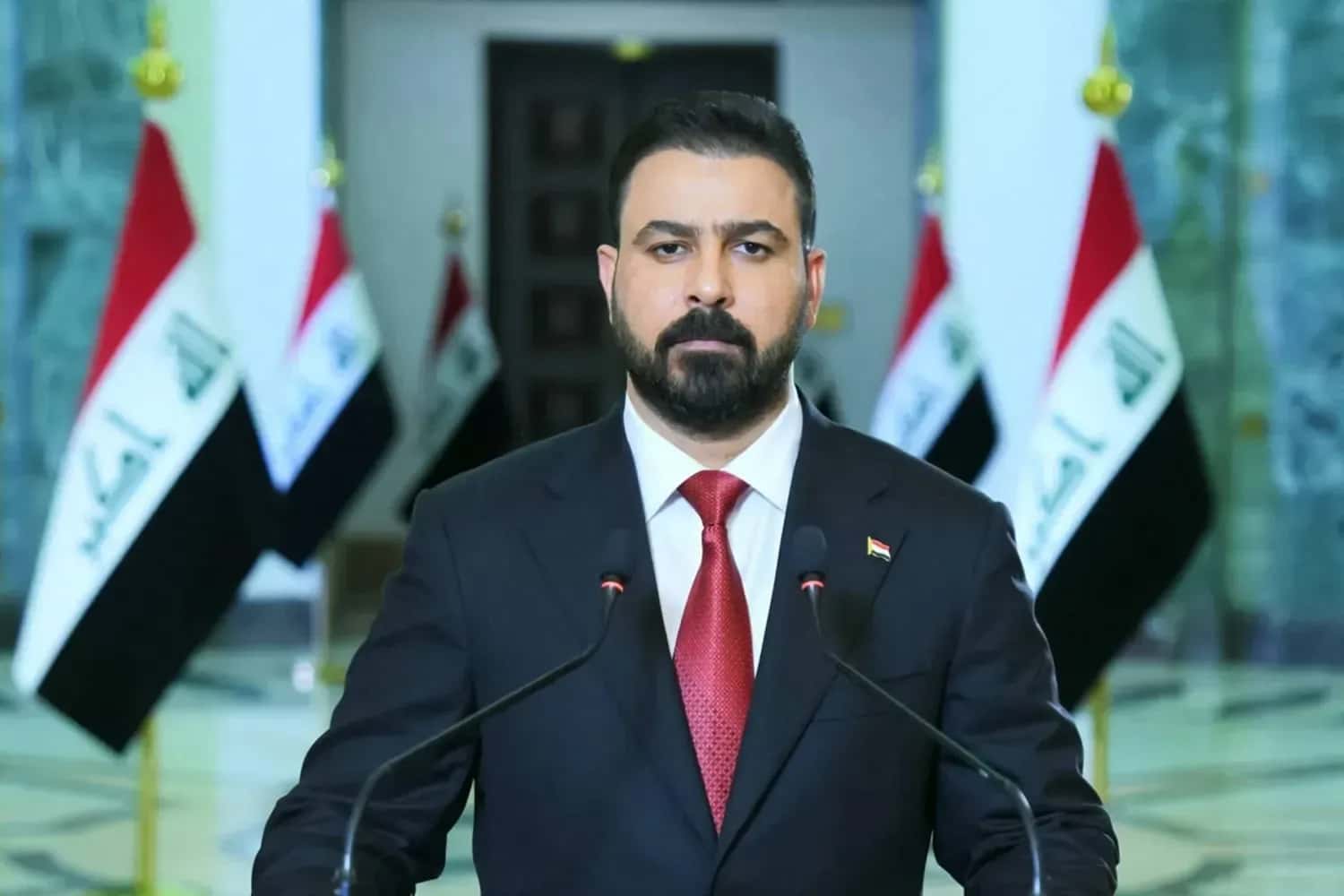
RastinewsIraqi Prime Minister Ali Falih Zeydi laid out a plan to dismantle the independent military structures of Iran-backed armed groups in his country, in an interview with The New York Times — including its Turkey and PKK dimension.
Zeydi described the elimination of non-state weapons in Iraq as a necessity for his government, not a choice.
"This isn't optional. It's a necessity." Zeydi noted that other Iraqi officials had announced the same goal before backing down. "Others have talked about this too, then backed off. They caved to pressure or other concerns. For me, this is a matter of honor, on a par with corruption," he said.
First phase: 90 days, target date June 30, 2027
Under the plan Zeydi described, disarmament won't happen all at once — it will proceed in stages.
The first stage is a 90-day period. During that window, armed groups will carry out no attacks. In return, U.S. forces will guarantee they won't strike those groups either.
After the 90 days, militias will begin handing their weapons over to the Iraqi state.
Zeydi said he wants the process completed by June 30, 2027. The armed groups, for their part, are pushing to be given until the end of 2027.
Zeydi had initially wanted the weapons handed over by September 30, 2026, the date set for the withdrawal of the last U.S. troops from Iraq. But powerful Iran-backed groups rejected that timeline, and Baghdad subsequently dropped September 30 as the deadline for completing disarmament.
The government set up a negotiating commission, and September 30 is now the date when a new disarmament timetable will be announced and the first 90-day phase will begin. The militias attached a condition:
Turkish troops should withdraw too. The part of the New York Times interview that stands out from a Turkish perspective concerns the conditions Iran-backed militias are setting for laying down their weapons.
A withdrawal of U.S. troops from Iraq has long been one of these groups' core demands. But the conditions have broadened recently.
Iran-linked groups have started demanding that Turkish troops leave Iraqi territory as well. Among the other conditions the militias have raised is an end to the PKK's presence in Iraq. Some groups are also pressing demands over the status of the Peshmerga and the rights of the Hashd al-Shaabi. Turkey, meanwhile, maintains its military presence in northern Iraq on the grounds of fighting the PKK.
Ankara's position is that a Turkish withdrawal depends on the elimination of PKK camps in northern Iraq and the destruction of its weapons.
That leaves three interlinked strands in Baghdad's disarmament plan: Iran-backed Iraqi militias laying down their weapons, Turkish troops withdrawing from Iraq, and the PKK's armed presence in Iraq coming to an end.
Zeydi: We're seeking a withdrawal deal with Turkey
Zeydi told The New York Times that Baghdad is trying to reach an agreement with Turkey on the matter.
Zeydi recalled that Turkey says its troop presence in Iraq is necessary to fight the PKK, and explained that Ankara ties withdrawal to clearing out the PKK's camps and weapons in northern Iraq.
Zeydi said the Iraqi government is also working on a timetable for bringing local Kurdish armed forces into Iraq's official security structure, in order to meet this Turkish demand.
The Iraqi prime minister said he is also using deeper economic ties between the two countries as leverage in seeking a deal with Turkey. Iraq signed a one-year agreement this year to increase oil exports to Turkey through the existing pipeline, and Zeydi said Baghdad wants to raise that pipeline's capacity.
During visits to France and Germany last week, he said he had also proposed new pipelines that could carry Iraqi oil directly to Europe via Turkey.
First concrete step in Sinjar: YBŞ hands weapons to the state
While this Turkey-PKK-Iraq equation is being debated, a concrete development has taken place in Sinjar.
Zeydi announced that, following a September 11 meeting with leaders of the Yazidi Cause Alliance and the Sinjar Resistance Units (YBŞ), the YBŞ would begin handing its weapons over to the Iraqi state.
Zeydi said no separate military or security authority outside the state would be allowed in Sinjar, and that Sinjar Mountain would come fully under the federal government's administrative and security authority.
"Keeping weapons solely in the hands of the state and unifying security decision-making are fundamental to protecting the district's population and securing stability and the region's future," he said.
The plan does not mean removing all YBŞ members from the security system altogether.
The legal status of YBŞ members and of its women's unit, YJŞ, will be reorganized. Those who meet the requirements will be brought into Iraq's official security institutions under Iraqi law — not as members of their existing armed structures.
"The state will safeguard the rights and sacrifices of YBŞ and YJŞ members by regularizing their status and integrating those who meet the conditions into official Iraqi security institutions under the law," Zeydi said.
Turkey views the YBŞ as the PKK's Sinjar branch
The YBŞ is one of the armed structures formed by Yazidi fighters after ISIS attacked Sinjar in 2014.
PKK forces came to Sinjar during the ISIS attack and played a role in the YBŞ's formation. The YBŞ denies being organizationally part of the PKK, though various international sources describe it as a PKK-linked structure.
Turkey, for its part, regards the YBŞ as a PKK extension in Sinjar and has carried out military operations against YBŞ commanders and positions in past years.
In the 2020 Sinjar Agreement, Baghdad and the Kurdistan Regional Government agreed to remove non-state armed groups from the district and end the role of PKK-linked structures in Sinjar. Those provisions were never fully implemented.
Chief of Staff Yarallah visits Sinjar
Eleven days after the YBŞ weapons handover was announced, a senior military and security delegation led by Iraqi Chief of Staff Lt. Gen. Abdul Amir Yarallah traveled to Sinjar on September 22.
Iraq's Defense Ministry said the visit was meant to close out the security file in Sinjar and assess the status of forces in the area.
According to the Iraqi press, Yarallah also chairs the high-level security commission set up for Sinjar.
The delegation included Hashd al-Shaabi commanders alongside the Iraqi army. Talks covered integrating the YBŞ and other Sinjar groups into official security institutions, handing weapons over to the state, and ending the district's non-state armed presence.
Zeydi: No independent militia organizations will remain
The nationwide plan Zeydi outlined to The New York Times follows an approach similar to the Sinjar model.
Baghdad's efforts are focused in particular on four powerful Iran-backed groups resisting disarmament or full state control.
Zeydi said his goal is to end these militias' existence as independent organizations. Their members could join the Hashd al-Shaabi individually, but the groups would no longer be able to operate as armed units under their current names and independent chains of command.
Zeydi said any group still operating under a militia name once the deadline passes would be considered "outside the law."
Under the Iraqi government's plan, weapons handovers will begin after a 90-day non-aggression period starting September 30, and by June 30, 2027, Baghdad aims to complete the dismantling of both independent Iran-backed militia structures and other non-state armed forces.
The weapons handover and integration process launched for the YBŞ in Sinjar is one of the steps already put into practice on the ground, ahead of that nationwide timetable.
Source: Serbestiyet