
Germany to cut fuel tax by 17 cents a liter
Coalition partners have agreed on a 17-cent tax cut for gasoline and diesel, including the VAT effect. The measure is expected to take effect on October 1 and run through the end of the year. Consumer groups want the support targeted at low- and middle-income households.
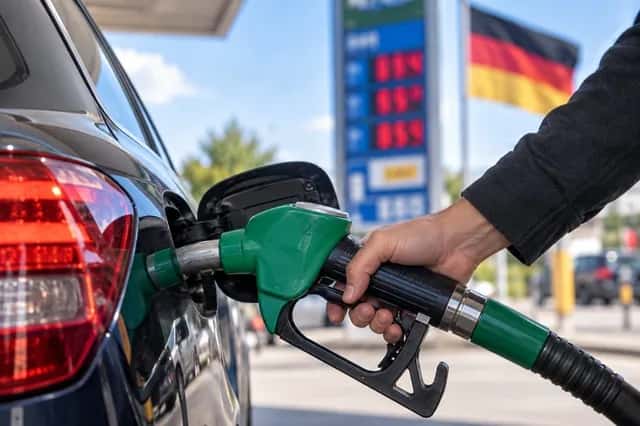
RastinewsGermany's governing coalition partners have agreed on a tax cut to rein in surging fuel prices. Under the plan, the energy tax on gasoline and diesel will drop by 14 cents.
Factoring in VAT, the total relief passed on to consumers will reach 17 cents per liter. The cut is set to take effect on October 1 and run through the end of 2026.
The plan also calls for a temporary price cap on fuel to be introduced by January 2027 at the latest.
"An expensive, poorly targeted measure"
Ramona Pop, head of the Federation of German Consumer Organizations, called the tax cut "an expensive, poorly targeted measure." Pop said the government had opted for an approach that "distributes support equally to everyone." She said a model prioritizing low- and middle-income households was needed instead.
Michaela Engelmeier, head of the social welfare organization SoVD, also said the fuel tax cut was not the right solution. According to Engelmeier, the cut also benefits people who don't need the support.
Greens: another gift to oil companies
Katharina Dröge, co-chair of the Green Party's parliamentary group, called the tax cut "another expensive gift to oil companies." Dröge called for a windfall profits tax on fuel companies. She demanded direct payments to citizens instead of a tax break that companies could exploit.
Price cap plan sparks debate within coalition and industry
Free Democratic Party (FDP) politician Wolfgang Kubicki accused the government of Chancellor Friedrich Merz of pursuing a "planned economy" model. Targeting the price cap plan, Kubicki said Merz had backed down in the face of his coalition partner, the Social Democratic Party (SPD). He also said Merz had put his own economy minister in a difficult position.
Refineries and gas stations in Germany have also pushed back against the price cap. The federal government is expected to begin talks with oil companies as soon as possible and put the regulation into effect by January 1, 2027 at the latest.
A similar cut was in place in May and June
Germany applied a similarly sized tax cut on gasoline and diesel from early May through the end of June.
The SPD had long pushed for the price cap policy. Germany's Economy Minister Katherina Reiche, from Merz's Christian Democratic Union (CDU), had previously said she opposed a price cap.