
Remezan Bakur: Life, Language and Art
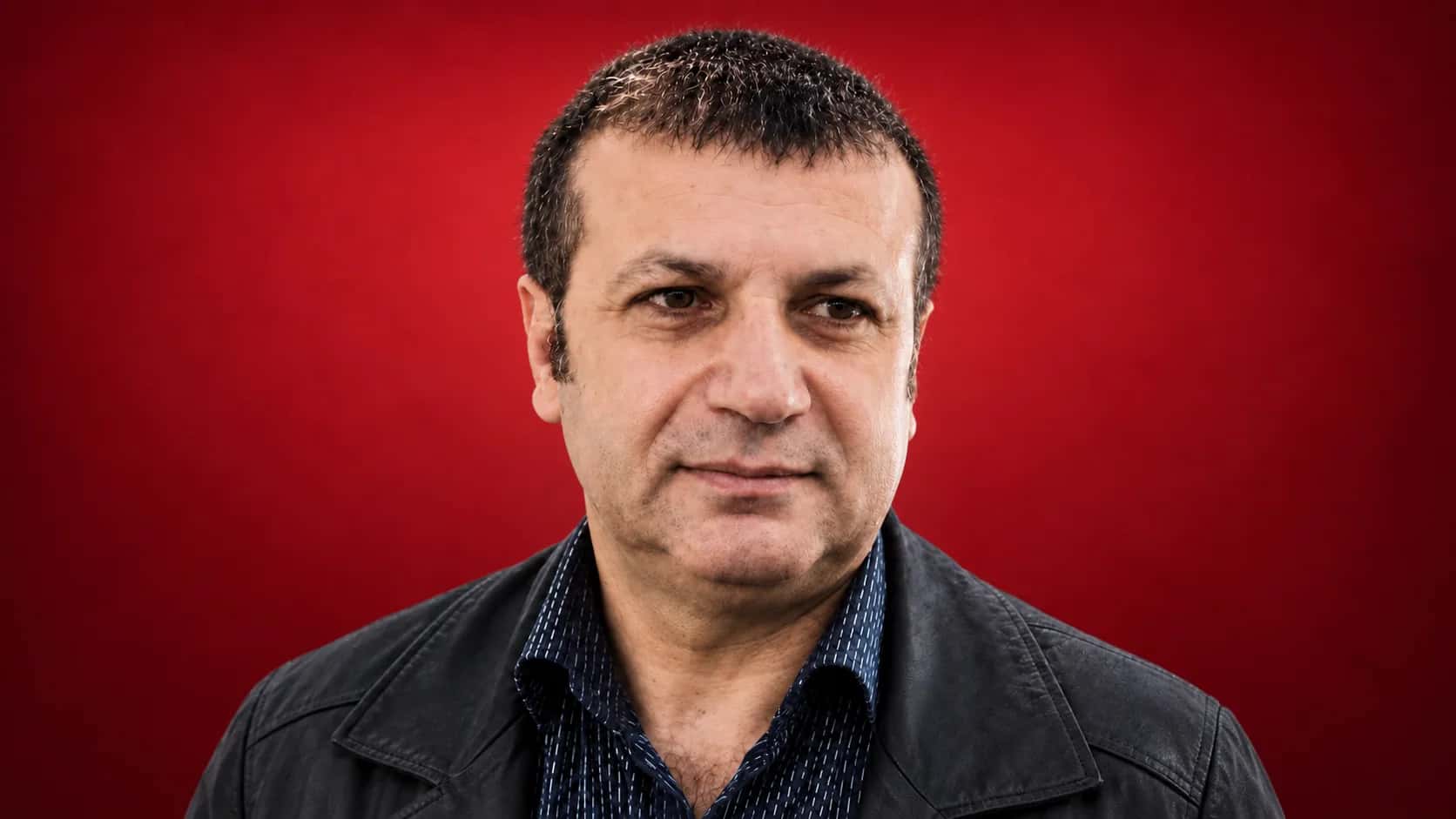
RastinewsMy journey in the struggle for language stretches back a long way. For more than fifteen years, defending the Kurdish language has been my cause. Protecting a language is one thing; writing is part of the wider craft of art. Art exists in everyone's life — there is no life without it. Everyone listens to music, everyone enjoys hearing or reading poetry, everyone values literature, everyone watches films. Yet people still say art is not a way to earn a living. I want to ask everyone this: how can something present in every life, something that shapes every life, not be considered work?
From ancient history to today, literature and art have left a deep mark on nations and on people. Europe is the clearest example. After the Renaissance, the Reformation and the French Revolution, Europe became the center of world civilization. European writers, through their philosophical and ideological works, changed how people thought, and civilization was built on that shift in thinking. Before the Renaissance and the Reformation, Europe lived under a brutality and extremism as harsh as what the Middle East endures today. Under the pressure of religious dogma, European nations were far removed from humanity. War, chaos and savage extremism ran through their societies. Today, Europe is the center of world civilization.
Works of art — music, theatre, cinema, literature — leave a deep imprint on the human psyche. Their influence is positive, peaceful; it brings people psychological calm and contentment. It steers people toward peaceful paths and toward reflection. A nation's culture survives and advances through the efforts of its artists and thinkers. In earlier times, among our Kurdish people, artists and thinkers held more esteem than they do today. Society, and the local lords of the era, supported them. Their livelihood depended largely on the community and on regional rulers. Preserving culture and shifting mindsets has always come through the efforts of thinkers and artists. Yet across the world, thinkers and artists have often lived in poverty, and died in poverty.
Artists and thinkers from nations with their own states have documentation and resources behind them, because the state supports them through institutions for language, culture, education and the arts. But artists and thinkers from stateless nations like ours, the Kurds, have no such backing. They cannot work in peace and freedom, and instead face heavy pressure and repression. When our thinkers and artists complete a work, they feel great joy — but they create it in the shadow of fear: fear of investigation, fear of pressure. It is not only the difficulty of creation itself; they are also constantly under the pressure of occupying states. Until recent years, the powers occupying our homeland blocked artistic and intellectual work outright. Many of our artists and thinkers were forced to work outside the country.
Until now, many Kurdish artists and writers have done their work abroad. But some forms — theatre and cinema among them — cannot develop unless they are practiced among their own people. That is why, particularly in northern Kurdistan, theatre and cinema have unfortunately failed to develop among our people. There have been some efforts, in the past and now, but even these were carried out not in Kurdish but in the language of the occupying state. On top of that, the work of Kurdish artists has largely stayed confined within our borders rather than reaching the international stage. Yet we know that a nation's language, culture and art are its identity. Every nation makes itself known internationally through its language, culture and art. On the international stage, artists and thinkers become representatives of their people.
Until the year 2000, for roughly a century, Kurdish culture, art and literature faced restriction in northern Kurdistan. For years I prepared to write, but there was neither the freedom nor the means. After 2000, despite continuing pressure, some opportunities opened up. That is when I began gathering material and preparing my work. That is when I started writing my first novel. I had finished the manuscript, but publishing it ran into problems. In 2014, I finally had my novel ENFALA JİYANE (The Anfal of Life) published. At the time, every book published in northern Kurdistan had to pass before the Ministry of Culture, which would then issue an official stamp, a bandrol, to the publishing house. Restrictions were still in force. Because of that, I suspected the Ministry of Culture would obstruct the publication of my novel.
During the Anfal period, in 1986-1987, I traveled to South Kurdistan. I saw the situation with my own eyes, and recorded real, live notes and observations at the time, in writing. I witnessed the movement across the border and through dangerous areas between the north and the south, and the exchanges between our people on both sides. I saw how closely the economies of north and south were tied together. I sat with Peshmerga forces and held detailed discussions on a range of topics. I came to know the geography of the Behdinan region and was a guest in many homes there. But I did not turn those notes and observations into a novel until 27 years later. The effort behind that work shows how many obstacles and how much pressure stood in the way of writing in Kurdish at the time. Since publishing my novel ENFALA JİYANE, I have never again given up writing in Kurdish.
I say it again: our language, our culture and our art are our dignity and our identity. Our literature and our intellectual life are the torch of our future. However much pressure and repression there may be, however many bans and restrictions we face, we must not abandon ourselves — we must persist, with resolve and determination. Our classical writers succeeded in their work alongside their contemporaries, and we too must continue our work successfully alongside ours.
The views expressed here are the author's own; they may or may not coincide with the editorial line of Rastinews. Rastinews is a free platform open to differing views.