
Sipan Hizni's family calls for justice
The family of Sami Sheikhmous Heso, a former SDF fighter known as Sipan Hizni who served in the Syrian army's Hasakah Brigade, has issued a written statement rejecting claims that his abduction and killing was an act of "tribal revenge."
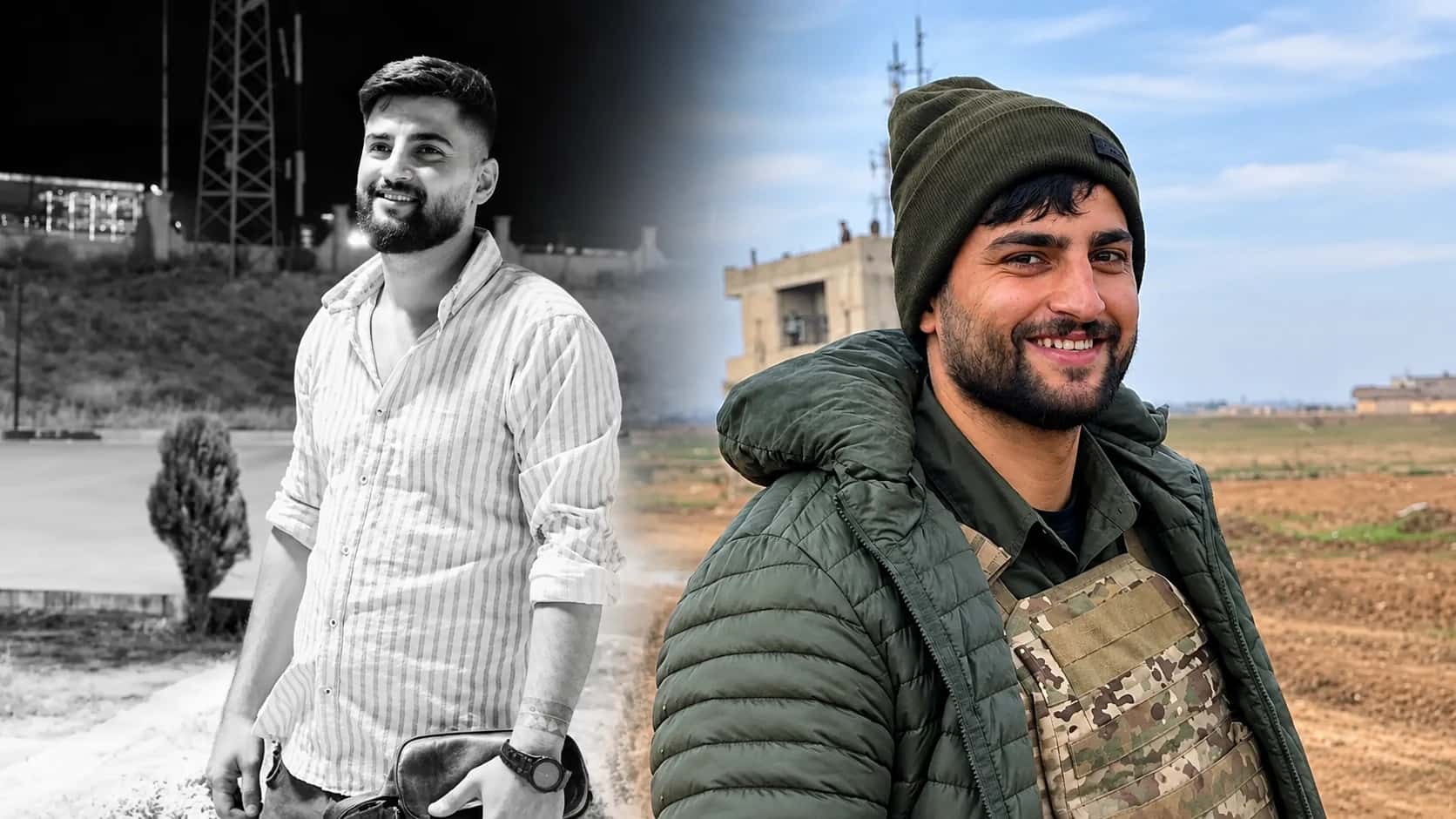
RastinewsThe family of Sami Sheikhmous Heso, a former Syrian Democratic Forces (SDF) fighter known by his nom de guerre Sipan Hizni who served in the Syrian army's Hasakah Brigade, issued a written statement addressing the public and relevant authorities over his abduction and killing. The family called for the case to be clarified and for justice to be served.
The statement noted that Heso, 26, had served as a soldier in the Hasakah Brigade, tasked with protecting public safety and order. "Any incident involving a soldier on duty must be handled through the law, investigation and the courts," the family said. "A soldier cannot afterward be made the target of unlawful revenge."
Family rejects "tribal revenge" claim
The family said some people had tried to link the killing to a past incident from Heso's time on duty, framing it as "tribal revenge." Rejecting the claim, the family stressed that legal channels remain open to everyone in the event of a dispute or accusation, but that abducting someone from his home and killing him cannot be considered justice or legitimate retaliation. "This is a crime," the statement said. "Everyone who took part in, incited, or assisted the perpetrators, or tried to shield them, must be held accountable."
"We are not seeking revenge on anyone"
The family said it did not hold any nation or tribe responsible for what happened, placing responsibility solely on those who carried out the act. "We are not seeking revenge on anyone," the statement said. "We do not want another person killed in the name of revenge either."
Family's demands
In the statement, the family called for full disclosure of the details of the abduction and killing, transparent publication of the investigation's findings, identification of everyone involved in the crime, an inquiry into any incitement, assistance or protection provided to the perpetrators, and the referral of anyone found guilty to an independent court. The family also demanded that the truth behind the "tribal revenge" narrative be established and that tribal or national identities not be used as a shield for suspects.
"We reject protecting the killer because of his identity"
The family said Heso, before becoming a soldier, was a Syrian Kurd who defended his country and every citizen, and stressed that the right to life does not depend on religion or tribe. The statement concluded: "We do not accept Syria turning into a place where people are held accountable through revenge instead of law. Nor do we accept the killer being protected because of his social identity. What we want for Sami, we want for every person in Syria: security, dignity, equality and justice. Long live Kurdistan, long live the Kurdish people."
Abducted and killed in Serêkaniyê
Sipan Hizni was abducted by unidentified armed men in Serêkaniyê (Ras al-Ain) on September 10. He was killed with a bladed weapon on the road to Deir ez-Zor, and his body was then shot. No group has claimed responsibility for the killing.
The Syrian Observatory for Human Rights reported that the attackers belonged to the Baggara Arab tribe from the Deir ez-Zor area, and that Heso had been accused of involvement in the killing of tribe members roughly two years earlier. Four people were detained in connection with the case.
The killing triggered protests in Rojava cities, most notably Hasakah, Qamishli and Amuda, with Syrian flags taken down in some locations. The Martyrs' Families Councils had earlier rejected the "tribal revenge" claim in their own statements, saying the matter had already been resolved by local community leaders.